How Attic Ventilation Protects Your Roof
When you look up at your home, the first thing you likely notice is the condition of your shingles. It is easy to assume that as long as the exterior surface looks intact, your home is fully protected from the elements. However, one of the most critical components of a healthy roofing system is completely invisible from the curb. Proper attic ventilation is the unsung hero of your home's structural integrity, playing a massive role in how well your property withstands the dramatic weather shifts we experience here in Newmarket and the surrounding areas.
Many homeowners are surprised to learn that a roof is not just a static barrier; it is a dynamic system that needs to breathe. Without a balanced flow of intake and exhaust air, the space beneath your shingles can become a breeding ground for a host of expensive problems. Whether we are dealing with the freezing depths of a harsh Ontario winter or the sweltering humidity of a mid-July afternoon, the airflow in your attic directly impacts the longevity of your materials, the efficiency of your heating and cooling systems, and ultimately, the safety of your home.
Understanding how this hidden system works can save you thousands of dollars in premature wear and tear. Let us explore exactly why airflow matters so much, how it defends your home across different seasons, and what you can do to ensure your property remains in peak condition year-round.
Preventing Ice Dams with Ventilation
During our long, freezing winters, your roof faces its most severe tests. One of the most common and destructive issues homeowners encounter is the formation of ice dams. If you have ever noticed thick ridges of ice building up along the edge of a roofline, often accompanied by large icicles, you have seen an ice dam in action. While they might look picturesque, they are actually a sign that the attic space is not functioning correctly.
Ice dams form when warm air from your living space escapes into the attic. If the attic lacks proper airflow to sweep that warm air out, the heat rises and warms the underside of the roof deck. This causes the snow resting on your shingles to melt, even when the outside temperature is well below freezing. As the melted snow trickles down the slope of the roof, it eventually reaches the eaves and overhangs. Because these areas extend past the heated exterior walls of the house, they remain freezing cold. The water refreezes upon contact, creating a solid barrier of ice.
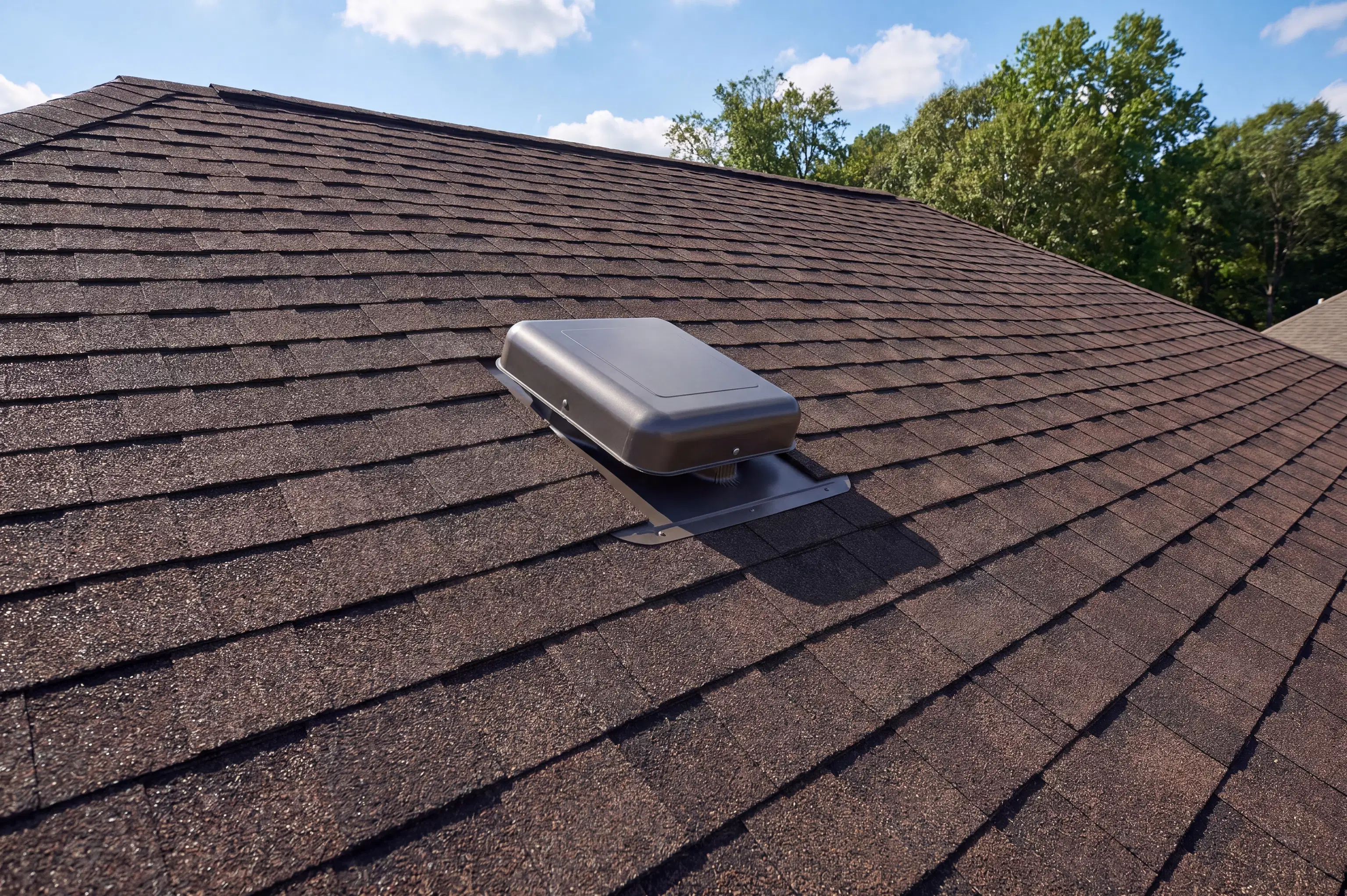
As this cycle continues, the ice dam grows larger, trapping subsequent snowmelt behind it. This pooled water has nowhere to go but backward, seeping under the shingles and penetrating the roof deck. This can lead to severe water damage inside your walls, ruined insulation, and compromised structural integrity. Preventing ice dams with ventilation is the most effective long-term strategy. A well-ventilated attic draws in cold outside air through the soffits and expels warm air through the ridge vents, keeping the entire roof deck at a consistent, cold temperature so snow melts naturally and evenly.
Furthermore, the heavy weight of ice dams can cause significant damage to your home's exterior drainage systems. If you have noticed your eavestroughs pulling away from the fascia board after a tough winter, ice buildup is likely the culprit. Ensuring your ventilation is balanced is a crucial step before investing in new gutters and eavestrough systems, especially for larger executive-style properties in neighborhoods like Stonehaven where complex rooflines can easily trap heat.
Reducing Roof Heat in Summer
While winter brings the threat of ice, summer introduces an entirely different set of challenges. When the July sun beats down on your home, the temperature inside an unventilated attic can soar to dangerous levels, sometimes exceeding 60 degrees Celsius. This trapped, stagnant heat essentially turns your attic into an oven, and the first thing to suffer is your roofing material.
Reducing roof heat in summer is vital for preserving the life of your asphalt shingles. When shingles are subjected to extreme heat from both the blazing sun above and a boiling attic below, they begin to bake. This dual-sided heat exposure accelerates the aging process of the asphalt, causing the shingles to blister, crack, and curl at the edges long before their expected lifespan is up. Once shingles lose their structural integrity, they are far more susceptible to being torn off during sudden summer thunderstorms, leaving your home vulnerable to leaks.
Beyond the damage to the exterior, excessive attic heat forces your home's air conditioning system to work overtime. The heat radiating down through your ceiling makes it incredibly difficult to cool the upper levels of your home, leading to uncomfortable living spaces and skyrocketing energy bills.
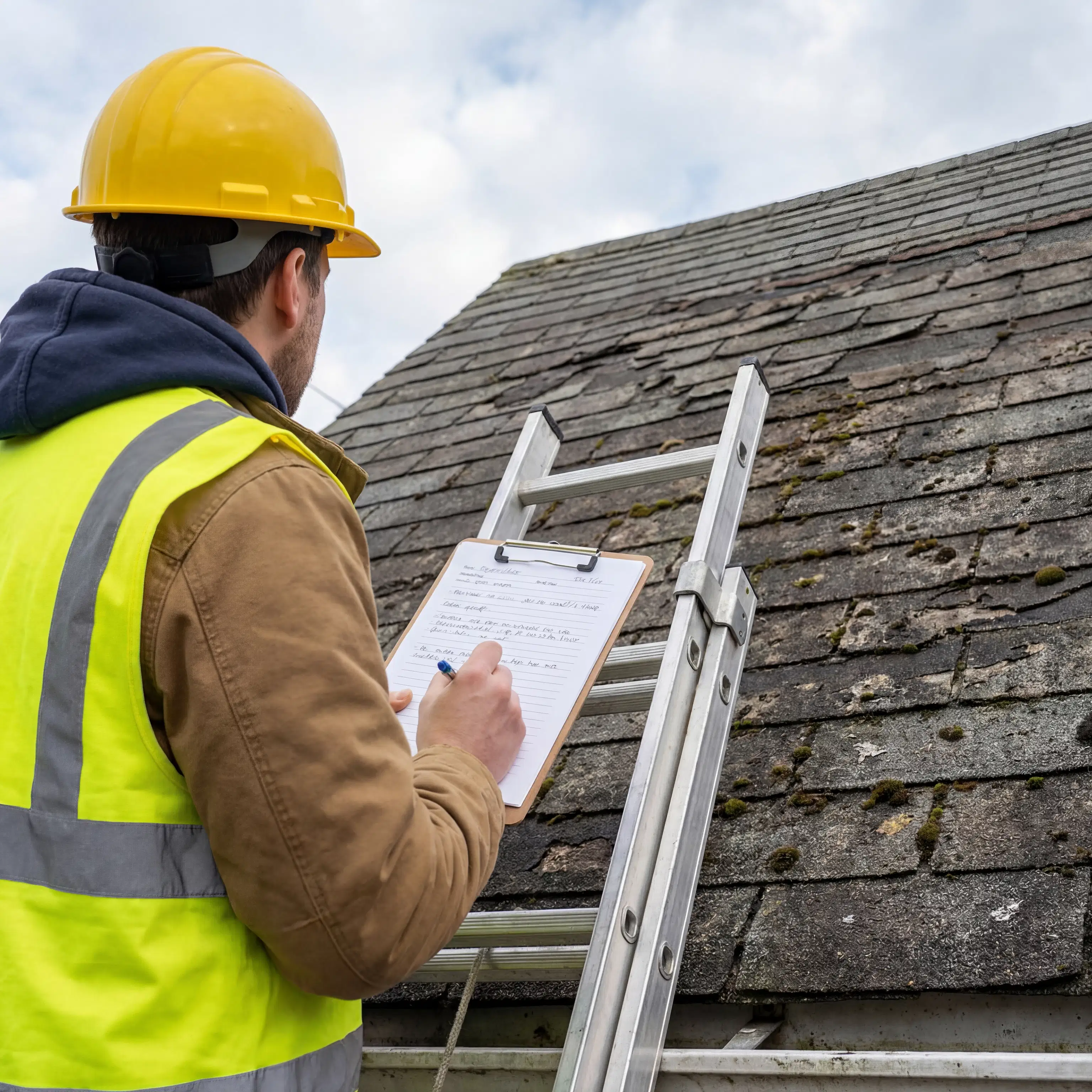
It is important to be proactive and watch for signs of poor attic ventilation before major damage occurs. You might notice unusually high indoor temperatures upstairs, a musty smell indicating trapped moisture, or even rust forming on the nails protruding through the roof deck into the attic. If you are seeing premature curling or granule loss on your shingles, it is highly recommended to schedule professional roof repairs and have your airflow assessed simultaneously to prevent the issue from recurring.
Maximizing Your Roof's Lifespan and Warranty
Proper attic ventilation does more than just protect against seasonal weather extremes; it is also a fundamental requirement for protecting your financial investment. Roofing materials have advanced significantly, with many premium architectural shingles offering extensive lifespans. However, homeowners are often unaware that almost all major manufacturer warranties explicitly require proper attic ventilation to remain valid. If a roof fails prematurely and an inspection reveals inadequate airflow, the manufacturer can void the warranty, leaving you responsible for the entire cost of replacement.
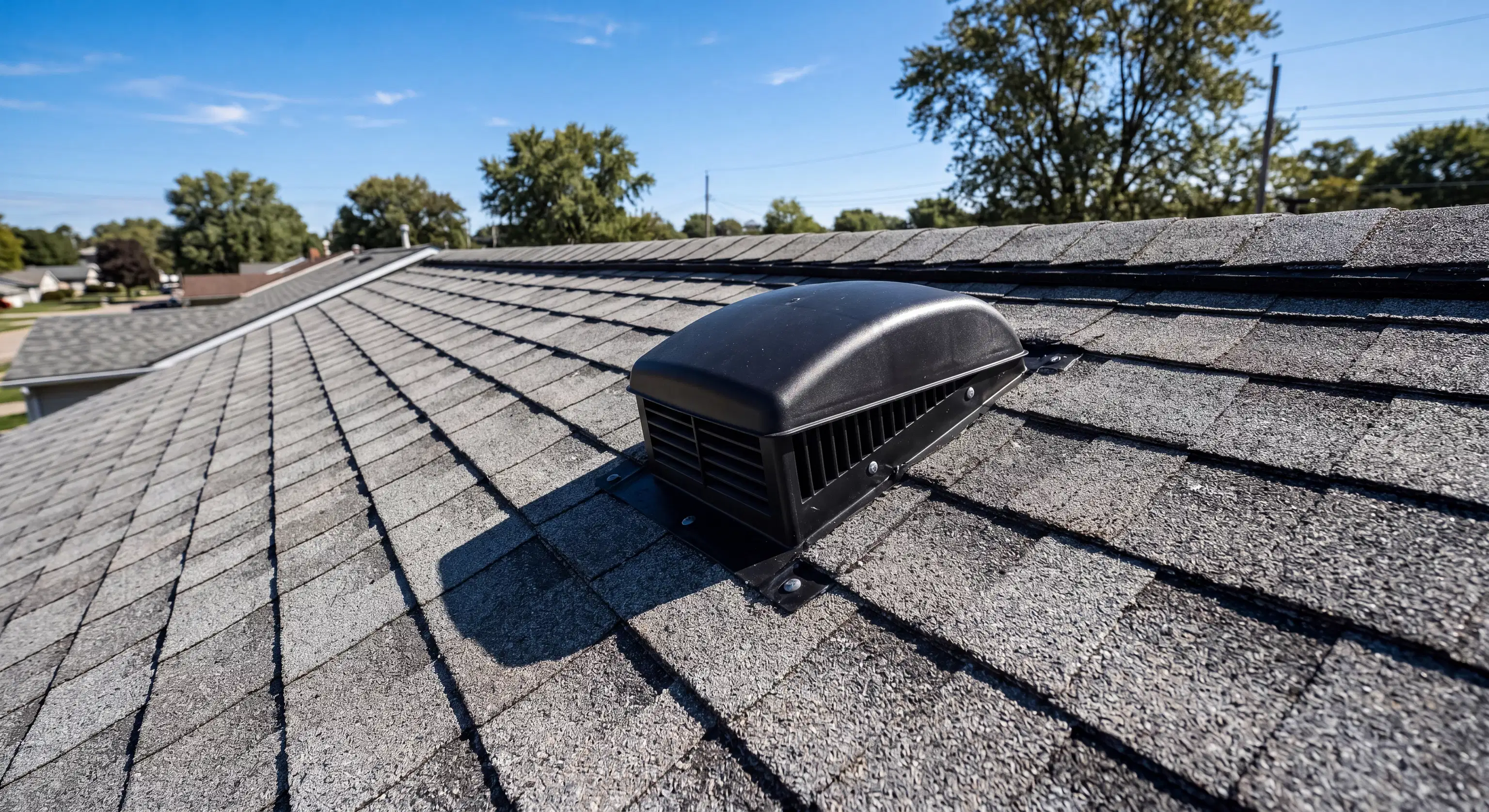
When it is time for a full roof replacement, a reputable contractor will never just strip the old shingles and nail down new ones. They will conduct a comprehensive assessment of your intake and exhaust ventilation to ensure the new system will perform optimally. This includes checking that soffit vents are not blocked by old insulation and calculating the precise amount of exhaust ventilation needed for your specific square footage.
Navigating these technical requirements is why it is so important to work with licensed, fully insured professionals who maintain strict WSIB compliance and understand the specific building codes of York Region. A properly balanced roof system will provide peace of mind, lower your energy costs, and ensure your home remains safe and dry for decades to come.
If you are concerned about the health of your roof, or if you have noticed signs of poor airflow in your attic, do not wait for a leak to force your hand. Reach out to TrueNorth Roof Hydration today. As your trusted experts North of the city, we are here to provide transparent, detailed assessments and high-quality solutions tailored to your home. Contact us to schedule your consultation and ensure your home is ready for whatever the weather brings.